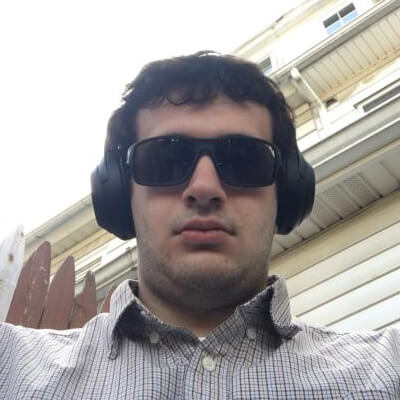
Brandon is a producer, audio engineer, multi-instrumentalist, and senior writer at Higher Hz, where he covers microphones, studio monitors, audio interfaces, and recording techniques.
Coming from humble beginnings, Schock began recording psychedelic bedroom pop with nothing except for GarageBand and the built-in microphone on his laptop as a teenager.
While he's since upgraded his recording setup, Brandon still has a proclivity to work through the confines of limitation.
His music is spasmodic, distorted, and restless, often taking inspiration from artists such as Cornelius and The Beach Boys.
Over the years, he's gained a vast amount of experience recording, writing, and performing with local groups and fellow artists such as Petty Walker, and Windy 500.
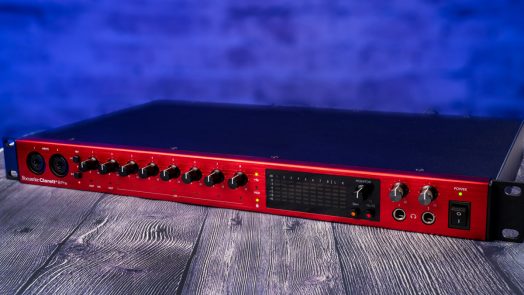
When it comes to gear, Brandon has a particular fondness for several models and series of studio gear. He usually records through his Focusrite Clarett 8Pre, aided by his Beyerdynamic DT 770 Pro for tracking.
For microphones, the Electro-Voice RE20, Neumann KM 184, the AKG SE300 B (particularly when using the CK91 capsule), and Coles 4038 are worked to their limits in his studio.
He also has a soft spot for Adam Audio studio monitors, which he has been using for years.
In terms of preamps, Brandon has two favorites: the clean and transparent Focusrite ISA One and the warm and colorful Universal Audio Solo/610.
However, even though he has his mainstays in his arsenal, he's incessantly researching and trying to find hidden gems.
Still forever passionate about music, Brandon has recently dedicated himself to writing about the latest innovations in audio technology, while keeping busy with his own projects and passions.