
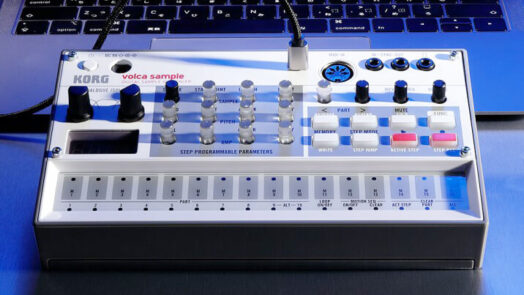
Drum machines, samplers, and grooveboxes are often used to do the same or similar things. The similarities are so prominent that the term drum machine is now generally accepted in reference to all three in the correct context.
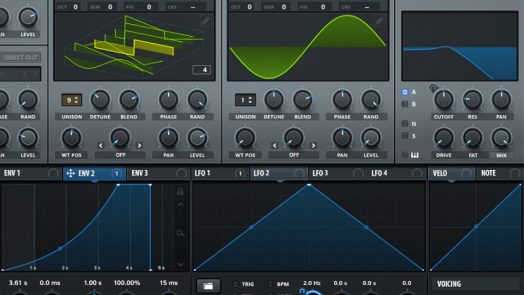
It can be extremely daunting to open up a fresh patch in Serum, stare at the blank slate in front of you, and try to get from the default saw wave to a head-crushing bass sound, or a gentle bell pad.
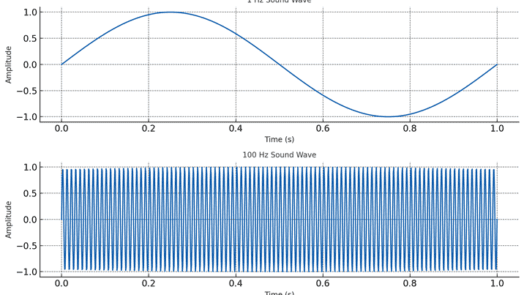
Imagine sound as a pulsating wave, traveling through air and bridging the gap between its original source and your ear canal, where it’s captured and decoded by your brain.
The science behind the sonic realm is as fascinating as it is articulated, and one of the most fundamental concepts in the field is the role of hertz and frequency in sound. These are the building blocks of not just music, but the way we perceive audio in all its forms.
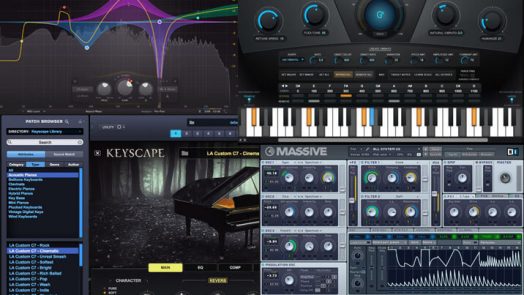
VST, or Virtual Studio Technology, is a file format that came out in 1996 as a way to digitally emulate various pieces of hardware, like compressors, EQs, and synthesizers.
It quickly became the standard for various software developers, and there have been a number of improvements to the code, resulting in VST 1.0, 2.0, 2.4, and now VST3.
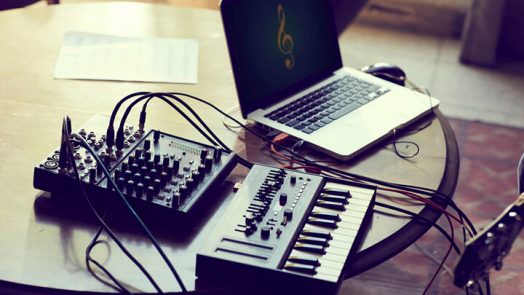
MIDI is a method of sending data that allows you to create music digitally. It doesn’t matter if you are a bedroom producer or a Grammy Award winner; MIDI will play a big part in your working life.
In this article, I will go into more detail about what MIDI is, how it works, and how to use it.