
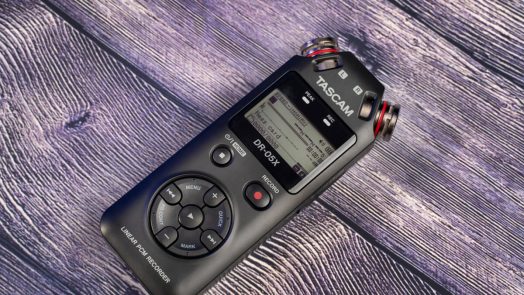
In this review, I’ll be taking a look at the Tascam DR-05X stereo handheld recorder. This is a fairly popular option for beginner field recording artists, but is it worth it? Let’s get started and find out.
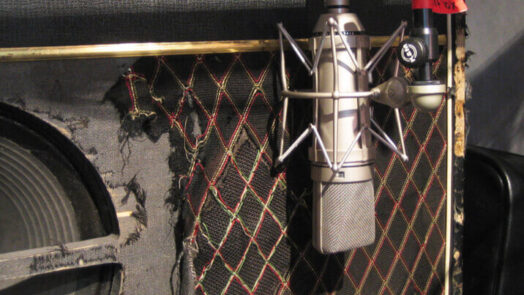
Capturing the tone of a guitar amp is as much about microphone choice as it is about personal preference. While there are plenty of mics that can get the job done, not all are created equal – some are simply more reliable and require less touch-up in post-production.
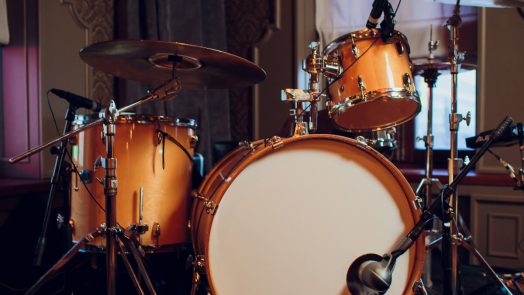
The sound of your drums can make or break your mix, and while there are exceptions to every rule, getting the perfect drum sound is no laughing matter.
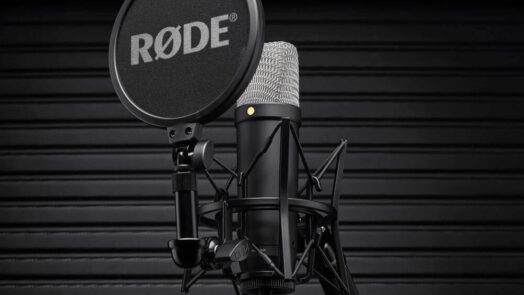
The Rode NT1 has picked up a modestly iconic reputation since it was one of the first genuinely affordable large-diaphragm condensers to come out right around the time that home recording started to become more prevalent.
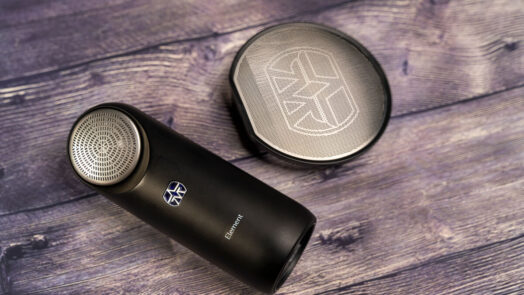
In this review, I’ll be testing Aston’s Element, which is an active moving-coil microphone.
Aston Microphones are well-known for their unique and innovative designs and high-quality microphones, so let’s take a closer look to see how this microphone stands up against the company’s reputation.
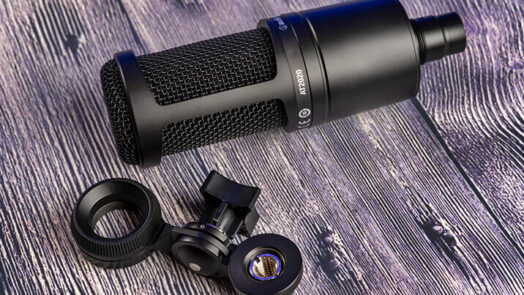
In this review, I’ll be taking a look at Audio-Technica’s AT2020 medium-diaphragm condenser microphone. As far as budget options are concerned, this is one of the better choices you can make. So without further ado, let’s get into it.