
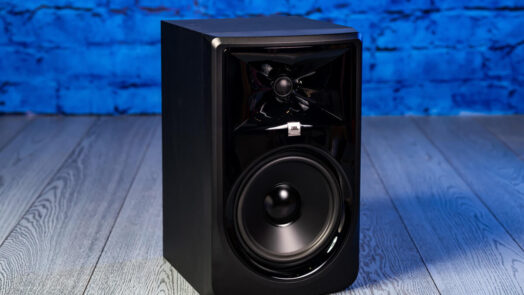
JBL very rarely slacks when it comes to staying on the cutting edge of audio technology. However, with every product they’ve put out, there’s bound to be a few misses. While the 308P Mk2 isn’t exactly a “miss” entirely, it does fall short on a few marks.
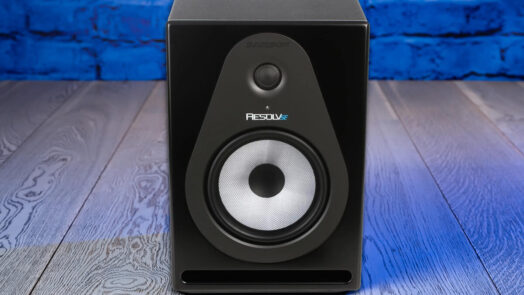
Samson products tend to be somewhat overlooked by avid professionals, and the company definitely doesn’t have the clout that bigger, industry-standard brands might. However, sometimes surprises are inevitable, and I don’t turn anything away.
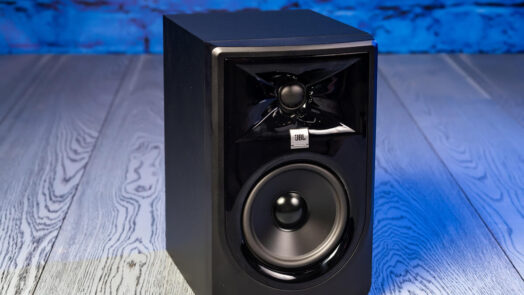
JBL has been well-trusted as a leading audio equipment manufacturer ever since its inception in 1946. Behind the entirety of its portfolio is a dedication to science and research which lies at the heart of each of JBL’s products.
The 305P Mk2 do a good job at carrying this legacy on, and I personally think they’re one of the better options available for budget studio monitors.
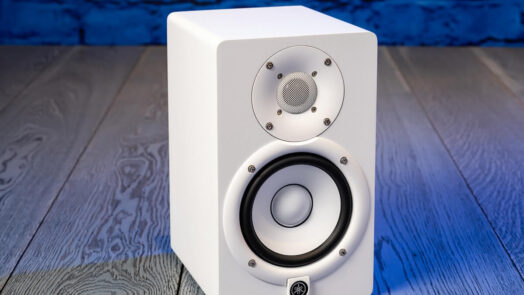
Back in the 1980s, Yamaha came out with the NS-10. These monitors sounded absolutely horrible, but it was that exact reason that Yamaha found great success through their release. The short of it all was that they were harsh, brittle, but extremely accurate at showing sore spots and weaknesses in any mix.
Yamaha’s newer line of monitors, the HS5, are often compared to the NS-10, and for the most part, that comparison is fairly accurate.

If you’re looking for a cheap pair of studio monitors, one possible solution you may have come across is, of course, the Eris 3.5 from PreSonus. For just around $100, it definitely holds an argument for your consideration, but I’m not the biggest fan of it.
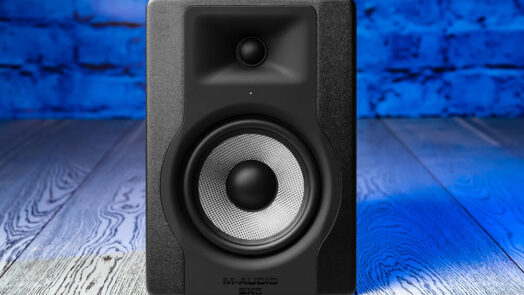
M-Audio tends to be fairly hit or miss, especially with their lower-budget products. However, every once in a blue moon they really nail it. Let’s take a closer look and see what the BX5 D3 studio monitors have to offer.