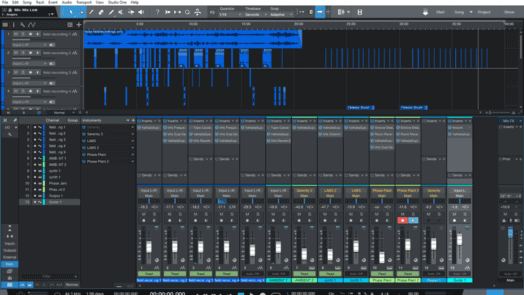
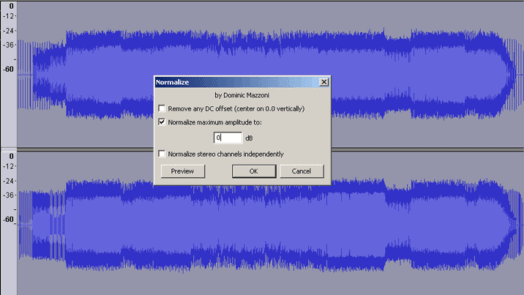
Normalizing tracks has been a common practice among artists since the dawn of DAWs, but with the advent of streaming platforms and the subsequent loudness standardization, as well as new, less invasive ways to make tracks louder, you might wonder whether it’s still worth it normalizing your tunes before publishing them.
If you produce music, learning how to use compression isn’t optional. This is not a tool to embellish your tracks – it’s an effect that can drastically shape the vibe of a composition and bring to life a cohesive and professional mix.
Since the early 2000s, the world of music production has taken an increasingly DIY approach that gives plenty of control to the artists themselves.
This means that you, a modern music producer, can record, mix, and master a song from the comfort of your bedroom studio. Pretty cool, right?
Reverb is an often largely misunderstood part of how recorded music works.
Rather than being an added extra, the space in which a piece of music takes place, is as much part of the music as the guitars or drums.
Changing the reverb space can alter the final piece as much as changing any of the other sounds in the mix.
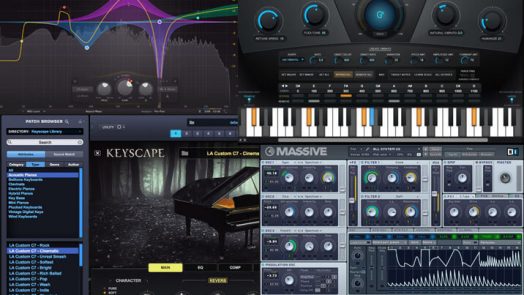
VST, or Virtual Studio Technology, is a file format that came out in 1996 as a way to digitally emulate various pieces of hardware, like compressors, EQs, and synthesizers.
It quickly became the standard for various software developers, and there have been a number of improvements to the code, resulting in VST 1.0, 2.0, 2.4, and now VST3.