

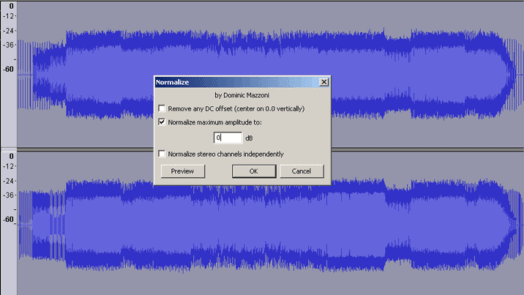
Normalizing tracks has been a common practice among artists since the dawn of DAWs, but with the advent of streaming platforms and the subsequent loudness standardization, as well as new, less invasive ways to make tracks louder, you might wonder whether it’s still worth it normalizing your tunes before publishing them.
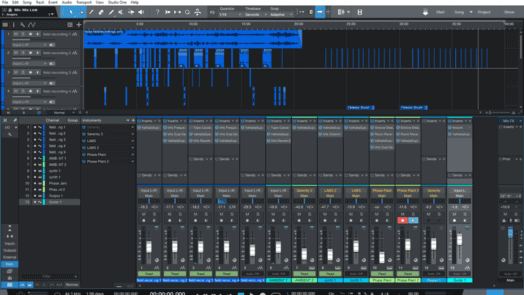
Since the early 2000s, the world of music production has taken an increasingly DIY approach that gives plenty of control to the artists themselves.
This means that you, a modern music producer, can record, mix, and master a song from the comfort of your bedroom studio. Pretty cool, right?

The role of a music producer has always been quite fluid. Working behind the scenes, shaping and transforming songs so that they’d be successful but also in line with the artist’s vision: a producer is a master in balancing creativity and business, always remembering that the audience, of today and tomorrow, will be the ultimate judge of their work.

If you produce music, learning how to use compression isn’t optional. This is not a tool to embellish your tracks – it’s an effect that can drastically shape the vibe of a composition and bring to life a cohesive and professional mix.
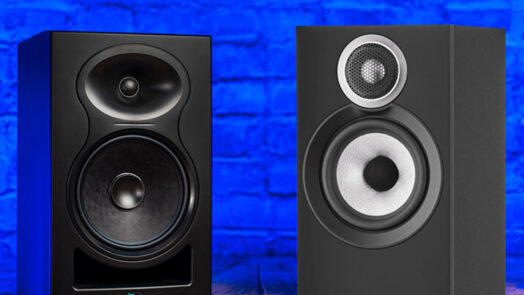
Whether you’re setting up your first recording studio, home theater or hi-fi system, you’ll probably have to do some research on the best speakers that can help you create the perfect environment for your creativity or entertainment.
That’s when you’ll come across the terms “studio monitor” and “hi-fi speaker” and wonder: aren’t they the same thing?
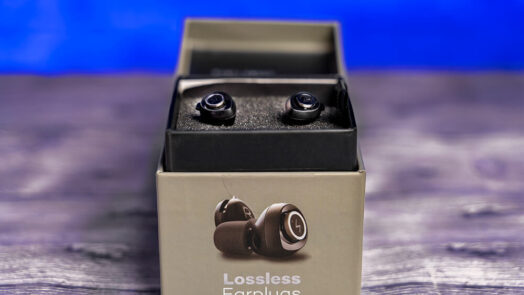
What do concertgoers, musicians, audio engineers, music photographers, and those dealing with snoring partners have in common? That’s right, they should all use earplugs!