
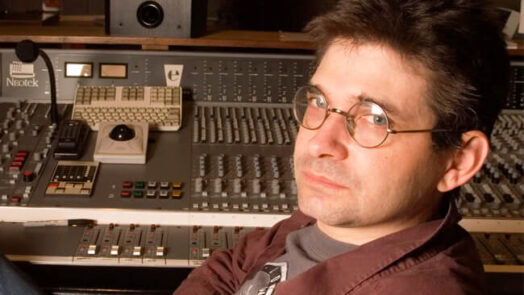
The role of a music producer has always been quite fluid. Working behind the scenes, shaping and transforming songs so that they’d be successful but also in line with the artist’s vision: a producer is a master in balancing creativity and business, always remembering that the audience, of today and tomorrow, will be the ultimate judge of their work.
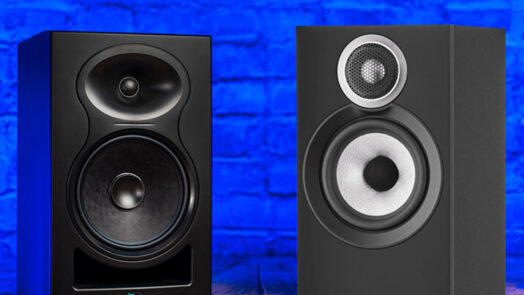
Whether you’re setting up your first recording studio, home theater or hi-fi system, you’ll probably have to do some research on the best speakers that can help you create the perfect environment for your creativity or entertainment.
That’s when you’ll come across the terms “studio monitor” and “hi-fi speaker” and wonder: aren’t they the same thing?
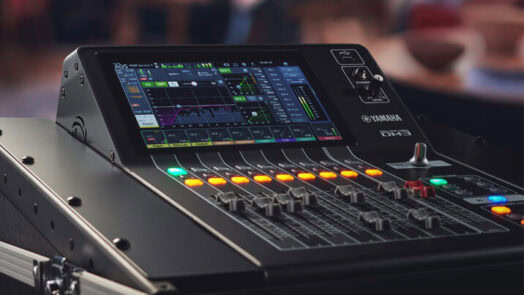
If you’re interested in recording music, you’ve probably watched documentaries and behind-the-scenes footage of your favorite bands.
You’ve noticed the giant desks with knobs and faders, and the little metal boxes with inputs and outputs.
What are they, and what’s the difference? The terms “mixer” and “audio interface” get thrown around, but you might not know what they mean.
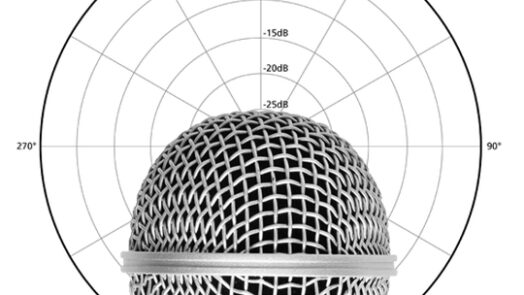
Understanding the different types of microphone polar patterns and how to apply them is crucial when choosing the right microphone, whether you’re recording vocals, guitars, or a full orchestra.
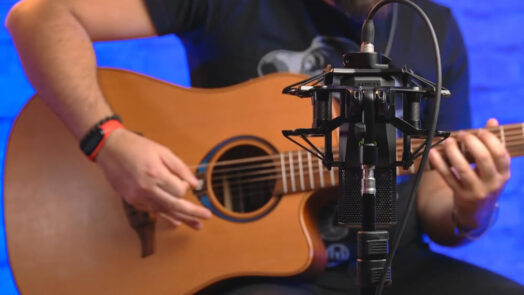
So, you have an acoustic guitar. Maybe you even wrote a song. You want to record your ideas, but you don’t know how! Well, I’m here to help. This is a basic guideline for how to record your acoustic guitar at home in five steps.
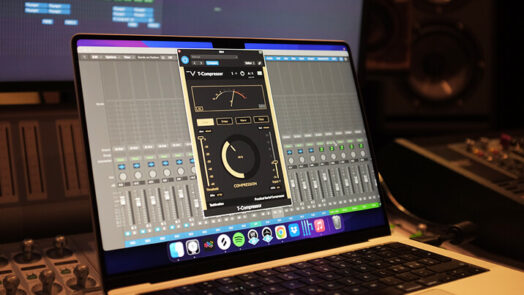
In a world where music producers are often on the move, either touring or daily commuting to their 9-5, it’s unthinkable not to have a portable device that allows you to make music whenever inspiration strikes.